Riassunto puntate precedenti:
Una chiacchierata su questo articolo:
Esistono 3 Fedi: Il Cammino di Crescita Spirituale del Cristiano
La fede non è una scelta definitiva. E la fede soprattutto non è un impegno gravoso. La fede dovrebbe essere la modalità attraverso la quale rispondiamo alla nostra chiamata interna. E quindi la fede dovrebbe essere fonte di soddisfazione e di gioia.
Se la fede è vista come impegno, se la fede è vista come peso, potremmo essere in un momento in cui interpretiamo la fede nel modo sbagliato.
I Tre Passaggi della Fede Secondo San Tommaso d’Aquino
Riflettendo su questo concetto, mi sono immaginato qual è stato il percorso per me nel cammino della fede e ho intravisto tre passaggi che secondo me, in generale, potrebbero essere un argomento di riflessione dal quale partire proprio per parlare dell’utilità della fede.
Ovviamente io parlo sempre dal presupposto cristiano cattolico. La fede non è un abito che si indossa una volta per sempre. È qualcosa che cresce con noi, qualcosa che cambia con noi, qualcosa che evolve, col nostro con le nostre necessità, rispondendo ad esse in modo sempre più preciso, fino a raggiungere appunto il ruolo di compagna della vita.
Nella teologia cristiana, c’è un bel riferimento a questi step della fede in San Tommaso d’Aquino, da cui vorrei partire. Lui dice che esistono tre modi di credere:
- Credere Deum: che vuol dire credere che Dio esista
- Credere Deo: che vuol dire fidarsi di Dio
- Credere in Deum: unirsi a Dio
Questa distinzione, questo gioco di parole, non è soltanto una teoria, ma indica precisamente tre componenti della fede che si sviluppano secondo quella che è la mia esperienza in modo graduale di solito e poi ciclicamente ritornano sempre a far parte dell’esperienza.
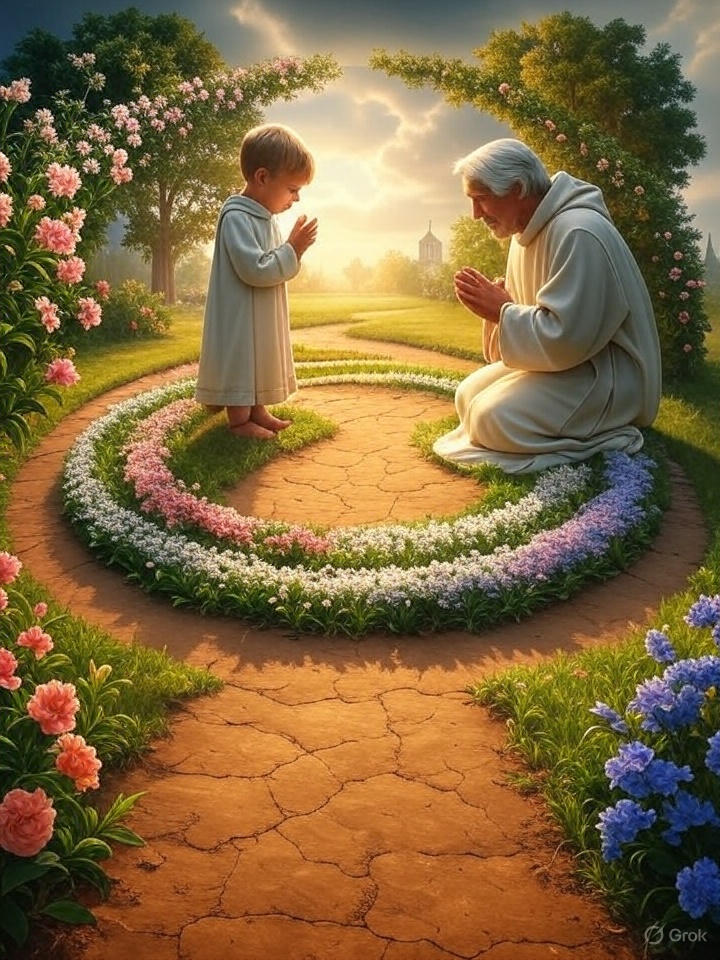
Prima Fede: La Fede Infantile
Si parte e siamo partiti tutti da una fede infantile, quella del catechismo per capirci, quella che era ricca di storie, di gesti che si imparavano per imitazione, di canti.
In quella sfera infantile, c’è sicuramente un elemento, una perla che non va smarrita, che non andrebbe smarrita, tant’è che infatti i riferimenti evangelici al fatto che bisogna tornare ad essere come bambini si sprecano. E la perla a cui faccio riferimento è la fiducia, l’apertura senza filtri alla divinità, che è tipica dell’età infantile e che in questo momento, in quella fase appunto della fede infantile, è al centro.
Il Problema della Fede Infantile
Qual è il problema però della fede infantile? È che appunto le persone poi crescono e cominciano a farsi delle domande, e percepiscono che in quella fede, costruita appunto soprattutto di storie mitologiche come quella del Mar Rosso che si apre, o della genesi – Eva e Adamo e la questione del frutto – queste storie diciamo cominciano a perdere concretezza a mano a mano che la persona cresce e si confronta col mondo reale, con la vita quotidiana, con le delusioni dei rapporti, le prime difficoltà.
In effetti, di solito, se questa fede, se questa persona fedele non viene aiutata a crescere in questa fede, normalmente in questa fase, terminata la fede infantile c’è una fase di distacco.
La Fase del Distacco
In cui ci si allontana dalla chiesa. Immagino per me è stato per esempio dopo la cresima che piano piano, visto che alcuni miei amici smettevano di andare a messa, che non succedeva niente, ho visto che i miei genitori avevano smesso di tra virgolette obbligarmi a confrontarmi con la preghiera quotidianamente e quindi, seguendo la via più facile anche, c’è stato questo allontanamento.
Questo allontanamento ricorda anche si ricollega bene alla parabola del figlio prodigo che, in effetti si allontana dalla casa del padre per andare nella vita, per andare a consumare – nella nel racconto a sperperare i suoi talenti e le sue ricchezze.
Quindi si disperde quel patrimonio purtroppo attraverso questo distacco si disperde quel patrimonio che si era accumulato nella fase infantile, in cui si mangiava pane e religione al catechismo e nella famiglia.
Seconda Fede: La Fede Adulta
È necessario che la fede, se vuole tornare ad essere una fede produttiva, ridiventi qualcosa di adatto alla fase della vita che stiamo vivendo, quindi si può evolvere da una fede infantile ad una fede più matura, più adulta.
Sono piene le chiese di persone che abbiano appunto questa fede adulta, ma mi sembra, in qualche caso di ravvisare che sia una forma di fede più meccanica.
Il Limite della Fede Adulta
Mi spiego meglio: ovviamente se intervistassimo le persone che ho in mente, diciamo che frequentano la Chiesa e che quindi sono espressione della fede, intervistassimo sui temi principali, saprebbero rispondere se Dio esiste o meno, chi sia il Dio, qual è la storia di Cristo, qual è il momento dell’anno liturgico che stiamo vivendo, e cose del genere, sanno rispondere bene ma…
Mi pare che esista una fede in cui ci sia una distanza tra il momento sacro e invece la vita reale. Il momento sacro si recitano le preghiere, si seguono i rituali, si seguono i gesti, ma non pare che vi sia un coinvolgimento profondo, ma che vi sia più che altro un’adesione a una ritualità, a una celebrazione. Tiepida, mi vien da dire. Che per carità, non critico, ma che ritengo essere parziale.
La Ricerca Altrove
È proprio vedendo questo tipo di fede in tante persone che ho visto intorno a me, che ho pensato che forse altre confessioni, altre professioni religiose, altre fedi diverse, potessero avere risposte che qui mi sembravano non germogliassero nelle persone.
Questo errore mi è costato un lungo tragitto all’esterno della chiesa cattolica, motivato proprio da questa volontà di trovare qualcosa di significativo, di trasformativo, di pesante, di che contasse per davvero nella vita delle persone. Non mi interessava soltanto la narrazione che stava alla base della fede cattolica, ma che quella narrazione lì corrispondesse a una vita viva, a una trasformazione reale, a un impatto significativo nella vita delle persone e non soltanto a una superficiale adesione a rituali e celebrazioni.
Terza Fede: La Fede Trasformativa
È in quest’ottica che intravedo una terza possibilità, una terza fede, che si sviluppi e che si concretizzi nella vita delle persone, che è la fede nella quale ciò in cui crediamo è verità, è vero.
Ora, io lo so che i testi biblici, e magari quindi parte di queste convinzioni che derivano da testi biblici, non siano necessariamente puntuali e precise su ciò che è accaduto storicamente.
Cosa Significa “Verità” nella Fede
Quello che intendo dire quando parlo di verità all’interno della fede, vuol dire che si concede a questi concetti di diventare per noi possibilità di vita.
Credere che la vita continui dopo la morte è una questione di fede. E credere che questa vita continui dopo la morte cambia la vita prima della morte.
Non ci si comporta soltanto superficialmente in modo diverso in questa vita se si crede a un determinato sviluppo anche dopo la morte, per esempio.
L’Esempio dell’Eucaristia
Non si prende la comunione durante l’Eucaristia pensando nello stesso modo, pensando che quell’ostia sia simbolo di Cristo o che sia carne di Cristo, donata per la nostra vita.
C’è differenza tra l’esperienza che uno fa avvicinandosi, accostandosi a comunione in un modo o nell’altro.
Il Processo Continuo della Fede
Ritengo che questo terzo step della fede, dopo quella infantile, dopo quella adulta diciamo un po’ tiepida, questo terzo step in cui si ha proprio la risposta individuale al richiamo della felicità che è insito in ogni uomo, attraverso una determinata narrazione.
Non c’è niente di male a dire che è la storia di Cristo che cambia il presente dei cristiani, attraverso questa narrazione, attraverso l’adesione a questa serie di informazioni in modo a livello di verità, a livello di credenza profonda.
L’Esperienza Come Fondamento
Ora non si può imporre a una persona di credere a qualcosa senza che questa persona ne faccia un minimo di esperienza.
Quindi è chiaro che non si può dire “da adesso credo razionalmente”. E in questo è il lavoro costante della fede. Ci vuole continuamente la capacità di mettere a test quello che ci viene tramandato nella tradizione, con quello che ci accade, e vedere dove e quando queste cose collimano. Dove e quando le esperienze personali sono coerenti con la tradizione e quindi a quel punto nasce in noi la fede.
Un’Esperienza Personale
Mi è capitato, come credo che sia capitato a molte persone – non sono in questo niente di speciale – di accostarmi alla comunione, per la quale ho lottato per poterci tornare, dopo che in teoria avevo perso questo diritto. Mi è capitato di accostarmi a comunione sentendo la gratitudine. Non ripetendo un gesto qualsiasi, un gesto tra virgolette sacro che automaticamente per il semplice fatto di essere stato eseguito dà un risultato.
La differenza sta in come noi viviamo una determinata situazione e credere di aver accettato dentro di sé anche soltanto una particola di ciò che è il messaggio di Cristo ci impone di confrontarci con la nostra natura imperfetta e la sua natura perfetta, che devono cominciare a coesistere, a collaborare, a confondersi.
La Grazia della Trasformazione
Quindi in un certo senso dobbiamo essere grati perché, se è Dio che viene a far parte del mio corpo, io devo cercare di esserne il più possibile degno e so che questa è dal punto di vista cristiano una quasi eresia perché nessuno è degno di accogliere – tranne una persona lo è stata in passato – di accogliere dentro di sé la carne di Cristo.
Eppure, nella grazia, nella continua ripetizione, nella continua disponibilità che Dio ha nei confronti dell’uomo, questo miracolo è possibile. Capite che è ben diverso da ingoiare un simbolo.
Conclusione: Il Movimento Ciclico della Fede
Questa fede deve continuamente passare attraverso questi tre stadi:
- Di apertura infantile
- Di giusto distacco critico verso le questioni della fede, una sua analisi razionale
- Ma poi, in queste cose qui bisogna impegnarsi a trovare qualcosa che abbia significato
Perché a nulla serve una fede, qualsiasi essa sia, se non ti cambia la vita, se non ti migliora la vita, se non ti porta a stare meglio nella vita. A cominciare a camminare, tra virgolette, nel regno dei cieli, o perlomeno intuirne l’esistenza e assaporarne l’odore e il gusto.
ENGLISH
There Are 3 Faiths: The Christian’s Journey of Spiritual Growth
Faith isn’t a definitive choice. And above all, faith isn’t a burdensome obligation. Faith should be the way we respond to our inner calling. Therefore, faith should be a source of contentment and joy. If faith is seen as an obligation, if faith is viewed as a burden, we might be in a moment where we’re interpreting faith in the wrong way.
The Three Steps of Faith According to St. Thomas Aquinas
Reflecting on this concept, I imagined what my own journey on the path of faith has been like. I saw three steps that, in my opinion, could be a starting point for a broader reflection on the usefulness of faith.
Of course, I’m always speaking from a Catholic Christian perspective. Faith isn’t a garment you put on once and for all. It’s something that grows with us, something that changes with us, something that evolves with our needs, responding to them more and more precisely, until it reaches the role of a life companion.
In Christian theology, there’s a wonderful reference to these steps of faith in St. Thomas Aquinas, which I’d like to start with. He says there are three ways of believing:
- Credere Deum: which means to believe that God exists.
- Credere Deo: which means to trust God.
- Credere in Deum: which means to unite with God.
This distinction, this play on words, isn’t just a theory. It precisely indicates three components of faith that, in my experience, usually develop gradually and then cyclically return to be part of the experience.
First Faith: The Faith of a Child
We all started with a childhood faith, the kind we find in Sunday school or catechism. It was rich with stories, gestures learned by imitation, and songs.
In that childhood sphere, there is certainly an element, a pearl that shouldn’t be lost. In fact, there are many Gospel references to the fact that we must become like children again. And the pearl I’m referring to is trust, an unfiltered openness to the divine, which is typical of childhood and is at the center of this phase of faith.
The Problem with Childhood Faith
What’s the problem with childhood faith, though? People grow up and start asking questions. They realize that in this faith, which is built primarily on mythological stories like the parting of the Red Sea, or Genesis with Adam, Eve, and the fruit—these stories begin to lose their concreteness as a person grows and confronts the real world, daily life, the disappointments of relationships, and the first difficulties.
In fact, if a person isn’t helped to grow in this faith, this phase usually ends with a period of detachment.
The Phase of Detachment
This is when one moves away from the church. For me, for example, it was after my Confirmation. Little by little, since some of my friends stopped going to Mass and nothing happened, I saw that my parents had stopped, in a sense, forcing me to confront prayer daily. So, by following the easiest path, this separation occurred.
This separation also ties in well with the parable of the prodigal son, who leaves his father’s house to live his own life and, in the story, to squander his talents and wealth.
Unfortunately, during this detachment, the heritage accumulated during childhood—when we “ate” religion for breakfast, lunch, and dinner at catechism and with our families—is scattered.
Second Faith: Adult Faith
It’s necessary for faith, if it wants to become productive again, to evolve into something suitable for the stage of life we are living. So, it can transform from a childhood faith to a more mature, adult faith. Churches are full of people who have this adult faith, but in some cases, I see it as a more mechanical form of faith.
The Limitation of Adult Faith
Let me explain. Of course, if we were to interview the people I have in mind—those who attend church and are therefore an expression of faith—and ask them about the main topics, they would be able to answer whether God exists or not, who God is, what the story of Christ is, and what liturgical season we are in, etc. They know the answers well, but…
It seems to me that there is a kind of faith where there is a distance between the sacred moment and real life. In the sacred moment, prayers are recited, rituals are followed, and gestures are made, but there doesn’t seem to be a deep involvement. Rather, there seems to be an adherence to a ritual, a celebration. Lukewarm, you might say. I’m not criticizing it, but I believe it to be partial.
Looking Elsewhere
It was precisely after seeing this type of faith in so many people around me that I thought other confessions, other religious practices, other faiths might have answers that didn’t seem to be sprouting in people here.
This mistake cost me a long journey outside the Catholic Church, motivated by a desire to find something significant, transformative, and something that truly mattered in people’s lives. I wasn’t just interested in the narrative that was the basis of the Catholic faith, but in that narrative corresponding to a living life, a real transformation, a significant impact on people’s lives—and not just a superficial adherence to rituals and celebrations.
Third Faith: Transformative Faith
It’s from this perspective that I see a third possibility, a third faith, that develops and takes concrete form in people’s lives: the faith in which what we believe is truth, it is real.
Now, I know that biblical texts, and perhaps some of these convictions that come from them, are not necessarily precise about what happened historically.
What “Truth” Means in Faith
What I mean when I talk about truth within faith is that we allow these concepts to become possibilities for our lives.
Believing that life continues after death is a matter of faith. And believing that this life continues after death changes life before death. One doesn’t just behave differently in this life if they believe in a certain development after death, for example.
The Example of the Eucharist
One doesn’t receive communion during the Eucharist in the same way, thinking that the host is a symbol of Christ or that it is the flesh of Christ, given for our lives. There is a difference between the experience one has when approaching communion in one way or the other.
The Continuous Process of Faith
I believe this third step of faith—after the childhood faith and the somewhat lukewarm adult faith—is a step where one has an individual response to the call for happiness that is inherent in every human being, through a specific narrative.
There’s nothing wrong with saying that it’s the story of Christ that changes the present for Christians, through this narrative, through adherence to these pieces of information at the level of truth, at the level of deep belief.
Experience as the Foundation
Now, you can’t force a person to believe something without them having at least some experience of it. So it’s clear you can’t just say, “From now on, I believe rationally.” And in this, there is the constant work of faith. You need to continuously have the ability to test what is handed down to us in tradition with what happens to us, and see where and when these things align. Where and when personal experiences are consistent with tradition, and then at that point, faith is born within us.
A Personal Experience
It happened to me, as I believe it has happened to many people—I’m nothing special in this regard—to approach communion, which I fought to be able to return to after I had theoretically lost that right. I happened to approach communion feeling gratitude. Not just repeating any gesture, a “sacred” gesture that automatically yields a result simply because it was performed.
The difference lies in how we live a certain situation. Believing that we have accepted into ourselves even just a particle of what the message of Christ is forces us to confront our imperfect nature and His perfect nature, which must begin to coexist, to collaborate, to merge.
The Grace of Transformation
So, in a sense, we must be grateful, because if God comes to be a part of my body, I must try to be as worthy as possible. I know that from a Christian point of view this is almost a heresy because no one is worthy to receive—except for one person in the past—to receive the flesh of Christ within themselves.
And yet, in grace, in the continuous repetition, in the continuous availability that God has for humanity, this miracle is possible. You see, this is very different from swallowing a symbol.
Conclusion: The Cyclical Movement of Faith
This faith must continuously pass through these three stages:
- Childlike openness
- Rightful critical detachment from issues of faith, a rational analysis of it
- But then, in these things, you have to commit to finding something that has meaning.
Because a faith is useless, whatever it may be, if it doesn’t change your life, if it doesn’t improve your life, if it doesn’t make you feel better in life. To begin to walk, so to speak, in the kingdom of heaven, or at least to intuit its existence and savor its scent and taste.
 Alberto Giordano
Lascia un commento