Riassunto puntate precedenti:
Chiacchierata su questo articolo:
La Ricerca e la Scoperta: Un Viaggio Spirituale
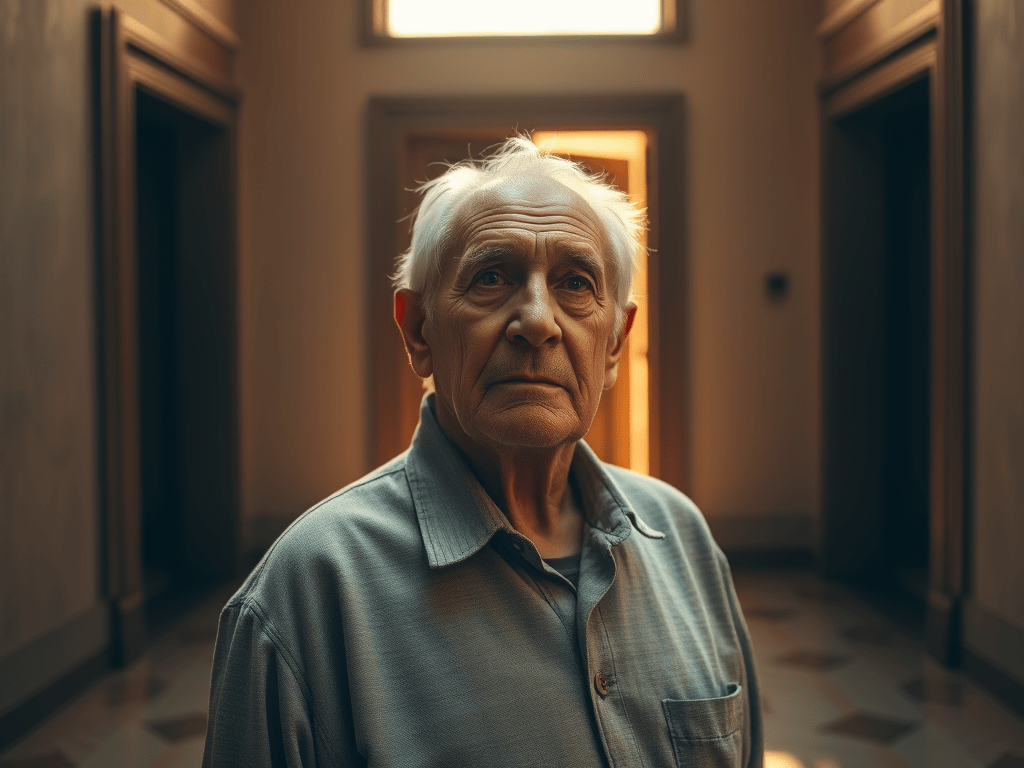
Mi ricordo quel racconto di quell’uomo che, da tutta la vita, andava cercando Dio aprendo ogni porta, cercando in ogni casa. Si narra che un giorno, già avanti in età, aprendo una porta trovò un uomo che gli disse: “Mi hai cercato per tutta la tua vita, mi hai trovato”.
L’anziano cercatore, sbigottito, dopo poco richiuse la porta, diretto ad aprire le altre che aveva ancora davanti a sé.
I “Turisti” della Spiritualità
Molti cosiddetti “ricercatori spirituali” sono proprio così; lo dico perché così sono stato anch’io. Cercare Dio è bellissimo, cercare “la verità”. Tutto spesso comincia con una sana intenzione di ricerca, ma in qualche caso si trasforma in un circolo vizioso. Sono molte le persone che vedo passare da un corso all’altro, da una pratica all’altra, da una tecnica all’altra. Sono diventati “turisti” della spiritualità.
La verità più importante è spesso quella che devo ancora imparare.
Il Consumismo Spirituale e il Punto Zero
Ogni tecnica nuova, ogni proposta, diventa oggetto di famelico consumismo spirituale: i cristalli, il bagno di gong, l’ultima variante di meditazione, il nuovo ritrovato da bere, l’antico metodo di preghiera di monaci remotissimi, il nuovo libro.
A me è capitato di tenere dei corsi di meditazione dove, nel modo più diretto e semplice, tentavo di mostrare alle persone il più alto dei conseguimenti: quello che qui chiamo il Punto Zero. Hanno raggiunto un piccolo successo e sono stato richiamato l’anno successivo a presentare un corso.
Visto che le persone più o meno erano le stesse, ho pensato di strutturare il percorso in modo leggermente diverso, affrontando la questione da un punto di vista differente. Quello che mi sorprese fu che un paio di persone mi dissero che sapevano già che cosa era il Punto Zero e si sarebbero aspettate qualcosa di nuovo.
La cosa, in un primo momento, mi ha scandalizzato. Essendo il Punto Zero la linea oltre la quale con la coscienza vigile è impossibile andare – l’esperienza fondamentale dell’uomo – che senso poteva avere cercare qualcosa di nuovo?
Capii che sapere che esiste una cosa e “conoscerne” il valore sono due cose molto diverse.
Breve sintesi di cosa sia il Punto Zero
Il Punto Zero è un concetto fondamentale che non indica un luogo fisico da raggiungere, ma una reinterpretazione dello spazio interiore in cui la nostra vita e ogni esperienza si manifestano. È descritto come una “mezzaluna di luce” o di consapevolezza, uno stato intermedio tra il mondo esterno (oggetti materiali) e il mondo interno (pensieri ed emozioni).
Nel Punto Zero, l’individuo non è ciò che percepisce (suoni, colori, pensieri, emozioni), bensì ciò che è consapevole di tutto questo: il puro testimone, il “sentire” e non il “sentito”. La sua vera natura è la libertà, senza nome, sesso o storia personale.
Da una prospettiva cattolica, il Punto Zero corrisponde al “cuore” profondo, il luogo sacro dove Dio può parlare, una “cattedrale immensa, silenziosa, luminosa” o un “telefono diretto con il Creatore”.
È lo spazio privilegiato per entrare in contatto con un “terzo mondo”, quello spirituale, che va oltre i due mondi ordinari. La “sete” di pace, libertà e felicità duratura – una sofferenza esistenziale non soddisfatta dai due mondi – è la bussola che indica l’esistenza e la possibilità di accedere a questa dimensione spirituale attraverso il Punto Zero. Riconoscerlo è essenziale per una “nuova narrazione” della vita e per la metanoia (una trasformazione radicale del modo di vedere e vivere la realtà).
Tornare al Punto Zero è come un “ritorno a casa” che richiede di fare un passo indietro senza muoversi, riconoscendo che ogni esperienza si manifesta nel “qui e ora” della coscienza. L’umiltà è la via che aiuta a purificare l’idea di sé, ammettendo i propri limiti e la propria piccolezza, rendendosi conto di essere ben poca cosa rispetto all’Ego. Si raggiunge e si coltiva anche attraverso il silenzio.
Cercatori vs. Trovatori
Molti di noi cercano il brivido dell’esplorazione, non della scoperta.
Siamo Cercatori, non Trovatori.
Ecco perché molti si allontanano dalla Chiesa. “So che cosa è il cristianesimo, adesso cerco qualcos’altro.”
Forse vale la pena chiedersi se abbiamo davvero lasciato spazio a quell’incontro prima di liquidare il cristianesimo.
Dopo che ti è stato detto che dall’altro capo del telefono c’è il Creatore stesso, metti giù la cornetta? Probabilmente non ci hai creduto, cosa comprensibile, ma cosa speri di trovare di diverso aprendo la prossima porta?
L’anziano cercatore del racconto era diventato un esperto nell’aprire porte, ma non si era mai davvero preparato a che cosa avrebbe fatto o detto quando un giorno, dietro ad una porta, avrebbe trovato davvero Dio.
La Vera Ricerca del Cristiano
Uno dei messaggi centrali del cristianesimo è che non solo Dio si può trovare, ma Lui ti sta cercando. Dio vuole avere un rapporto con te. Nella reciproca conoscenza sta il mistero del Padre e del Figlio. L’uno esiste nell’altro e viceversa.
La vera ricerca del cristiano non sta nel cercare la porta dietro alla quale si trovi Dio – quella è il Punto Zero – ma nell’imparare a credere. In questo gli atei hanno ragione. Se loro aprono quella porta non vedono nessuno, o meglio, non vedono Dio. Non credono che esista. Il cristiano è, o dovrebbe essere, diverso.
A quel punto, da cercatore si diventa trovatore e il viaggio comincia.
L’ho detto altre volte: bisogna credere per vedere. È possibile avere la grazia di sentire l’amore di Dio se ci siamo aperti a questa possibilità. A me è capitato di fare qualche “capatina in paradiso” non certo in momenti di forte concentrazione sul lavoro o durante un litigio nel traffico, ma quando invece mi sono lasciato sopraffare dalla bellezza di ciò che è.
Non si segue ovviamente il cristianesimo per la ricerca di esperienze spirituali mistiche, ma certo quel tipo di regali non arriva per caso, mentre ci stiamo dedicando ad altro.
E tu? Sei ancora alla ricerca della prossima porta da aprire, o sei disposto a sostare in quella che hai già trovato e a metterci del tuo?
ENGLISH
The Search and Discovery: A Spiritual Journey
I remember that story of the man who, his whole life, went around searching for God, opening every door, looking in every house. It is said that one day, already advanced in age, opening a door he found a man who told him: “You have sought me your whole life, you have found me.”
The old seeker, bewildered, soon after closed the door, heading to open the others he still had before him.
The “Spiritual Tourists”
Many so-called “spiritual seekers” are just like that; I say this because I was like that too. Seeking God is beautiful, seeking “the truth.” It often begins with a healthy intention of search, but in some cases, it turns into a vicious circle. There are many people I see going from one course to another, from one practice to another, from one technique to another. They have become “tourists” of spirituality.
The most important truth is often the one I have yet to learn.
Spiritual Consumerism and the Zero Point
Every new technique, every proposal, becomes an object of ravenous spiritual consumerism: crystals, gong baths, the latest meditation variant, the new drink discovery, the ancient prayer method of remote monks, the new book.
It happened to me to hold meditation courses where, in the most direct and simple way, I tried to show people the highest achievement: what I call the Zero Point here. They achieved a small success and so I was called back the following year to present a course.
Since the people were more or less the same, I decided to structure the path slightly differently, addressing the issue from a different point of view. What surprised me was that a couple of people told me they already knew what the Zero Point was and would have expected something new.
At first, this shocked me. Since the Zero Point is the line beyond which, with vigilant consciousness, it is impossible to go – the fundamental human experience – what sense could there be in seeking something new?
I realized that knowing something exists and “knowing” its value are two very different things.
A Brief Summary of the Zero Point
The Zero Point is a fundamental concept that does not indicate a physical place to reach, but a reinterpretation of the inner space in which our life and every experience manifest. It is described as a “crescent of light” or awareness, an intermediate state between the external world (material objects) and the internal world (thoughts and emotions).
At the Zero Point, the individual is not what they perceive (sounds, colors, thoughts, emotions), but rather what is aware of all this: the pure witness, the “feeling” and not the “felt.” Its true nature is freedom, without name, gender, or personal history.
From a Catholic perspective, the Zero Point corresponds to the deep “heart,” the sacred place where God can speak, an “immense, silent, luminous cathedral” or a “direct phone with the Creator.”
It is the privileged space to enter into contact with a “third world,” the spiritual one, which goes beyond the two ordinary worlds. The “thirst” for lasting peace, freedom, and happiness – an existential suffering not satisfied by the two worlds – is the compass that indicates the existence and the possibility of accessing this spiritual dimension through the Zero Point. Recognizing it is essential for a “new narrative” of life and for metanoia (a radical transformation of the way of seeing and living reality).
Returning to the Zero Point is like a “return home” that requires taking a step back without moving, recognizing that every experience manifests in the “here and now” of consciousness. Humility is the way that helps purify the idea of self, admitting one’s limits and smallness, realizing that one is very little compared to the Ego. It is also achieved and cultivated through silence.
Seekers vs. Finders
Many of us seek the thrill of exploration, not discovery.
We are Seekers, not Finders.
This is why many people move away from the Church. “I know what Christianity is, now I’m looking for something else.”
Perhaps it’s worth asking if we truly allowed space for that encounter before dismissing Christianity.
After being told that the Creator Himself is on the other end of the phone, do you hang up? You probably didn’t believe it, which is understandable, but what do you hope to find by opening the next door?
The old seeker in the story had become an expert at opening doors, but he had never truly prepared for what he would do or say when one day, behind a door, he would truly find God.
The True Christian Search
One of the central messages of Christianity is that not only can God be found, but He is looking for you. God wants to have a relationship with you. In mutual knowledge lies the mystery of the Father and the Son. One exists in the other and vice versa.
The true Christian search is not in seeking the door behind which God is found – that is the Zero Point – but in learning to believe. In this, atheists are right. If they open that door, they see no one, or rather, they do not see God. They do not believe He exists. The Christian is, or should be, different.
At that point, from a seeker one becomes a finder, and the journey begins.
I have said it before: one must believe to see. It is possible to have the grace to feel God’s love if we open ourselves to this possibility. It has happened to me to have some “little trips to heaven” certainly not in moments of strong concentration at work or during an argument in traffic, but when instead I let myself be overwhelmed by the beauty of what is.
Of course, one does not follow Christianity for the pursuit of mystical spiritual experiences, but certainly, those kinds of gifts do not come by chance while we are dedicating ourselves to something else.
And you? Are you still searching for the next door to open, or are you willing to stay in the one you have already found and invest yourself in it?
 Alberto Giordano
Lascia un commento