Riassunto puntate precedenti:
Chiacchierata su questo articolo:
Il rapporto con Dio
Il cattolicesimo si contraddistingue dalle altre religioni abramitiche per uno speciale tipo di rapporto con Dio: il rapporto filiale.
Dio si è fatto Figlio e ci ha resi suoi fratelli. In questo speciale rapporto padre-figlio, se saremo come Cristo, saremo con il Padre. Questo, ovviamente, in estrema sintesi.
Il messaggio è molto chiaro: bisogna farsi come Lui. Ci ha lasciato regole di comportamento paradossali (amate i vostri nemici, porgete l’altra guancia) e ci ha chiesto esplicitamente di seguire i suoi passi.
Se da un lato questo significa farsi piccoli, mettersi al servizio di tutti, a partire dagli umili, dall’altro ci chiede di salire sulla croce.
Questo comporta sicuramente che ci facciamo carico delle sofferenze (non necessariamente le nostre), ma anche che ci avviamo alla morte. La mistica cristiana occidentale è detta “mistica della croce”, ma la storia non finisce lì. Come sottolinea la mistica cristiana orientale, ci si può altresì concentrare sulla risurrezione, ovvero sul messaggio che questa “morte” – in cui qualcosa viene ovviamente lasciato – ha come contraltare la continuazione del viaggio.
Altrettanto interessante è che l’arco della vita del Cristo si possa dire concluso soltanto con l’Ascensione, ovvero con il ritorno del corpo rinato nella casa del Padre.
Gesù ha detto chiaramente che la strada per noi è spianata: basta la nostra fede.
La ricerca della fede autentica
Avete mai provato la gioia del ritorno al Padre? Se siete come me, la vostra esperienza quotidiana è ancora molto diversa. È chiaro che il nostro “pezzetto” da fare manca ancora di qualcosa.
Il fatto è che trasformare questa parolina di quattro lettere, “fede”, in qualcosa di più che un bel concetto non sembra essere un passo scontato.
Come si arriva a credere per davvero? Non può essere una questione soltanto di condivisione razionale del concetto. Come si costruisce una fede?
Un mio amico una volta mi ha detto: “La fede è come il coraggio: o ce l’hai o non ce l’hai”. Benché questa sia una frase a effetto, non penso che Gesù intendesse quel tipo di caratteristica con la fede. Si deve poter fare qualcosa per “crescere” in questa fede.
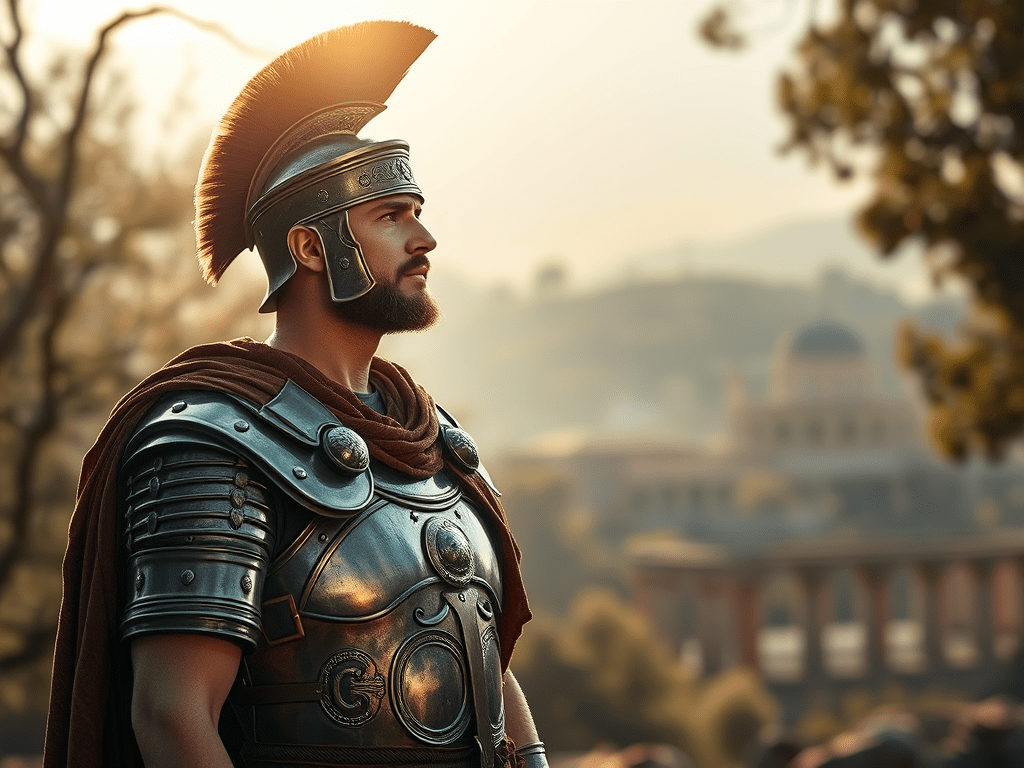
L’esempio del centurione romano
Nel caso del centurione romano, Gesù fece un’affermazione straordinaria sulla sua fede. L’episodio è narrato in Matteo 8,5-13 e Luca 7,1-10.
Quando il centurione disse di non essere degno che Gesù entrasse nella sua casa e che bastava una sua parola a distanza per guarire il servo, Gesù “si meravigliò di lui” e disse:
Matteo 8,10: “In verità io vi dico, in Israele non ho trovato nessuno con una fede così grande”.
Luca 7,9: “Vi dico che neanche in Israele ho trovato una fede così grande”.
Cosa aveva di speciale questo soldato romano?
Il centurione aveva fatto un suo percorso interno per sviluppare la personale fede in quell’uomo. Aveva maturato una sua forte convinzione. Non era certo solo perché gli avesse visto fare miracoli “dal vivo” – altrimenti chiunque altro avesse visto Gesù agire gli avrebbe immediatamente creduto, e sappiamo bene invece che non è andata così. Persino la fede dei discepoli fu traballante fino all’ultimo.
Penso che il centurione fosse disperato. Era disposto a inginocchiarsi davanti a un ebreo (dimentico della sua superiorità romana) perché aveva raggiunto il punto della sua resa totale.
Si era spogliato di tutto per qualcosa di più importante. Si stava giocando il tutto per tutto. Quegli ebrei a cui stava chiedendo aiuto avrebbero potuto snobbarlo, ridergli dietro o, peggio ancora (se fossero stati truffatori), conficcargli un coltello in gola.
Eppure il centurione ha rischiato e si è affidato, totalmente.
Nella sua disperazione aveva deciso di rischiare per qualcosa in cui credeva. Lui credeva molto ed è stato disposto a rischiare molto. Ha scelto di mettere quella persona sopra di sé (poteva certamente chiedere ai suoi uomini di prelevarlo e incontrarlo in privato). È andato lui da Gesù e semplicemente ha chiesto tutto, dando in cambio soltanto la propria resa. Ha capito di non avere nulla da dare se non la sua apertura incondizionata.
La donna con le emorragie: un’altra lezione di fede
Un altro episodio illuminante è quello della donna con emorragie (Marco 5,34; Luca 8,48). Anche lei era disperata, ma aveva una certezza: le sarebbe bastato toccare la veste di Gesù per essere guarita.
La sua fede era così forte che il miracolo avvenne prima ancora che Gesù se ne accorgesse:
“Chi ha toccato le mie vesti?” (Marco 5,30)
Anche lei si era umiliata, riconoscendo a Gesù un ruolo così potente e alto (rispetto a lei che non valeva nulla) che le sarebbe bastato avvicinarsi di poco a Lui per sentirsi salvata.
Entrambi questi esempi ci mostrano qualcosa di fondamentale: la fede nasce spesso dalla disperazione trasformata in fiducia.
Una sfida per noi oggi
Se potessimo dare un voto da 1 a 10 alla nostra fede, dove 10 è la fede del centurione, quale sarebbe il nostro punteggio? Come possiamo aumentare la nostra fede?
“Allora la fede è roba per disperati!” potrebbe obiettare qualcuno.
In un certo senso, sì. I “disperati”, se così li vogliamo chiamare, sono quelli che sentono “la sete”. Siamo noi, se siamo fortunati. Chi non è disperato, forse, non ha ancora guardato a fondo nel suo abisso interiore.
La sete universale dell’anima
Disperata è la persona che sente quella “sete” profonda di cui scrivo spesso, ma non crede ancora che l’acqua esista.
Eppure, se esiste la sete, ebbene, esiste l’acqua. Questa sete, questa chiamata è presente in ogni essere umano.
La teologia contemporanea, in particolare Karl Rahner, parla dell’”esistenziale soprannaturale”: ogni persona è costitutivamente aperta alla grazia divina e orientata verso Dio, anche quando non ne è consapevole. È come se avessimo un “ricevitore” interno sempre sintonizzato sulla frequenza del divino.
Il primo passo è “credere” che, dal momento che esiste la sete, esista anche l’acqua.
Quella sete di pace, felicità e soddisfazione, per i cristiani, è la volontà di ritornare fra le braccia di Dio.
Sant’Agostino lo esprime nelle Confessioni: “Ci hai fatti per te, Signore, e il nostro cuore è inquieto finché non riposa in te.”
San Tommaso d’Aquino sviluppa il concetto del desiderium naturale visionis beatificae – il desiderio naturale della visione beatifica. Ogni persona ha inscritta nel proprio essere un’aspirazione verso l’infinito che solo Dio può soddisfare.
Come un bambino che piange perché sa istintivamente di aver perso qualcosa di essenziale, così noi portiamo dentro una nostalgia per la nostra vera casa.
Il cammino verso l’umiltà: ritorno al Punto Zero
Per questo è essenziale farsi piccoli (denudarsi del nostro Ego) e tornare al Punto Zero nel silenzio.
Di fronte a Gesù si sono presentati con la massima umiltà sia il centurione che la donna malata.
Farsi piccoli, umiliarsi è riconoscere, per esempio, che non sappiamo davvero nulla su noi stessi, che non abbiamo il controllo sulla complessità di ciò che siamo e viviamo. Lo chiamo il “ritornare al Punto Zero” e, nel Punto Zero, stare in silenzio.
Il Punto Zero è quello spazio interiore dove abbandoniamo le pretese, le maschere, le sicurezze fittizie. È il luogo della resa autentica.
Ma come si raggiunge questo stato? La risposta sta in una pratica antica quanto il cristianesimo stesso: il silenzio.
Il silenzio: porta d’ingresso al mistero
L’esperienza del profeta Elia sull’Oreb è illuminante: Dio non si manifesta nel vento impetuoso, nel terremoto o nel fuoco, ma nella “voce di silenzio sottile” – qol demamah daqqah in ebraico, letteralmente “suono di silenzio delicato” (1 Re 19,12).
Quanto è difficile, nella nostra epoca rumorosa, fare esperienza di questo silenzio! Eppure è proprio lì che ci aspetta l’incontro.
Arsenio dice: “Spesso ho parlato e me ne sono pentito, del silenzio mai”. Parole che risuonano ancora più attuali oggi, nell’era dei social media e della comunicazione incessante.
Giovanni Climaco nella Scala Paradisi dedica un’intera sezione all’hesychia (quiete/silenzio): “Il silenzio è adorazione del mistero del mondo futuro”. Per lui, il silenzio non è assenza di parole ma presenza attenta a Dio.
I maestri del silenzio
San Tommaso d’Aquino distingue tra silenzio esteriore e interiore. Nella Summa Theologiae spiega che la contemplazione richiede quies (quiete) perché l’anima possa elevarsi a Dio senza le distrazioni del mondo sensibile. Il silenzio diventa condizione per la contemplatio, la forma più alta di preghiera.
Pseudo-Dionigi l’Areopagita nella Teologia Mistica parla della “tenebra luminosa” e del silenzio come via per raggiungere Dio al di là di ogni concetto.
San Giovanni della Croce descrive la “notte oscura” dove nel silenzio e nell’apparente vuoto avviene l’unione mistica.
Questi maestri ci insegnano che il silenzio non è una tecnica, ma un atteggiamento dell’anima. È lo spazio dove la nostra sete può finalmente incontrare l’acqua viva.
Un invito pratico
Come possiamo concretamente tornare al Punto Zero nel silenzio?
Iniziamo con piccoli gesti: spegnere il telefono per alcuni minuti al giorno, cercare un angolo di silenzio nella nostra casa, imparare ad ascoltare prima di parlare. Non serve ritirarsi nel deserto come gli antichi monaci – basta creare piccole oasi di quiete nella nostra quotidianità.
Nel Punto Zero, forti della consapevolezza della nostra sete spirituale, impariamo finalmente a tacere. E in questo silenzio, iniziamo davvero ad ascoltare.
Forse scopriremo che quella voce sottile che cerchiamo ha sempre parlato. Forse eravamo semplicemente troppo rumorosi per sentirla.
E voi, siete pronti a fare silenzio per ascoltare?
Ma soprattutto, siamo disposti a SPERARE per davvero?
ENGLISH
The Relationship with God
Catholicism distinguishes itself from other Abrahamic religions by a special kind of relationship with God: the filial relationship.
God made Himself Son and made us His brothers and sisters. In this special father-son relationship, if we are like Christ, we will be with the Father. This, of course, in extreme synthesis.
The message is very clear: we must become like Him. He left us paradoxical rules of conduct (love your enemies, turn the other cheek) and explicitly asked us to follow in His footsteps.
While on one hand this means making ourselves small, putting ourselves at the service of everyone, starting from the humble, on the other hand it asks us to climb onto the cross.
This certainly implies that we take on sufferings (not necessarily our own), but also that we move towards death. Western Christian mysticism is called “mysticism of the cross,” but the story doesn’t end there. As Eastern Christian mysticism emphasizes, one can also focus on the resurrection, that is, on the message that this “death” – in which something is obviously left behind – has as its counterpart the continuation of the journey.
Equally interesting is that the arc of Christ’s life can only be said to be concluded with the Ascension, that is, with the return of the reborn body to the Father’s house.
Jesus clearly said that the way is paved for us: our faith is enough.
The Search for Authentic Faith
Have you ever experienced the joy of returning to the Father? If you are like me, your daily experience is still very different. It is clear that our “little piece” to do is still missing something.
The fact is that transforming this four-letter word, “faith,” into something more than just a beautiful concept does not seem to be a given step.
How does one truly come to believe? It cannot be just a matter of rational sharing of the concept. How is faith built?
A friend of mine once told me: “Faith is like courage: either you have it or you don’t.” While this is a catchy phrase, I don’t think Jesus meant that kind of characteristic with faith. Something must be done to “grow” in this faith.
The Example of the Roman Centurion
In the case of the Roman centurion, Jesus made an extraordinary statement about his faith. The episode is narrated in Matthew 8:5-13 and Luke 7:1-10.
When the centurion said he was not worthy for Jesus to enter his house and that a word from Him at a distance was enough to heal his servant, Jesus “marveled at him” and said:
Matthew 8:10: “Truly I tell you, in Israel I have not found anyone with such great faith.”
Luke 7:9: “I tell you, not even in Israel have I found such great faith.”
What was so special about this Roman soldier?
The centurion had gone through an internal journey to develop his personal faith in that man. He had matured a strong conviction of his own. It certainly wasn’t just because he had seen Him perform miracles “live” – otherwise anyone else who had seen Jesus act would have immediately believed Him, and we know well that it didn’t happen that way. Even the disciples’ faith wavered until the very end.
I think the centurion was desperate. He was willing to kneel before a Jew (forgetting his Roman superiority) because he had reached the point of his total surrender.
He had stripped himself of everything for something more important. He was staking everything. Those Jews he was asking for help could have snubbed him, laughed at him, or, worse still (if they were swindlers), plunged a knife into his throat.
Yet the centurion risked and entrusted himself, totally.
In his desperation, he had decided to risk for something he believed in. He believed a lot and was willing to risk a lot. He chose to place that person above himself (he could certainly have asked his men to bring Him to him and meet Him in private). He went to Jesus and simply asked for everything, giving in return only his surrender. He understood he had nothing to give but his unconditional openness.
The Woman with the Hemorrhage: Another Lesson in Faith
Another illuminating episode is that of the woman with a hemorrhage (Mark 5:34; Luke 8:48). She too was desperate, but she had a certainty: it would be enough for her to touch Jesus’ garment to be healed.
Her faith was so strong that the miracle happened even before Jesus noticed it:
“Who touched my clothes?” (Mark 5:30)
She too had humbled herself, recognizing in Jesus such a powerful and high role (compared to her who was worth nothing) that merely approaching Him would be enough to feel saved.
Both of these examples show us something fundamental: faith often arises from desperation transformed into trust.
A Challenge for Us Today
If we could give our faith a score from 1 to 10, where 10 is the centurion’s faith, what would our score be? How can we increase our faith?
“So faith is for the desperate!” someone might object.
In a sense, yes. The “desperate,” if we want to call them that, are those who feel “the thirst.” That’s us, if we’re lucky. Whoever is not desperate, perhaps, has not yet looked deeply into their inner abyss.
The Universal Thirst of the Soul
Desperate is the person who feels that deep “thirst” I often write about, but still doesn’t believe that water exists.
Yet, if thirst exists, then water exists. This thirst, this call, is present in every human being.
Contemporary theology, particularly Karl Rahner, speaks of the “supernatural existential”: every person is constitutively open to divine grace and oriented towards God, even when unaware of it. It’s as if we have an internal “receiver” always tuned to the divine frequency.
The first step is to “believe” that, since thirst exists, water also exists.
That thirst for peace, happiness, and satisfaction, for Christians, is the will to return to the arms of God.
Saint Augustine expresses this concept in his Confessions: “You have made us for yourself, O Lord, and our heart is restless until it rests in you.”
Saint Thomas Aquinas develops the concept of desiderium naturale visionis beatificae – the natural desire for the beatific vision. Every person has inscribed in their being an aspiration towards the infinite that only God can satisfy.
Like a child crying because they instinctively know they have lost something essential, so we carry within us a longing for our true home.
The Path to Humility: Returning to Point Zero
For this reason, it is essential to make ourselves small (to strip ourselves of our Ego) and return to Point Zero in silence.
Both the centurion and the sick woman presented themselves before Jesus with the utmost humility.
To make oneself small, to humble oneself, is to recognize, for example, that we truly know nothing about ourselves, that we have no control over the complexity of what we are and what we experience. I call this “returning to Point Zero,” and, at Point Zero, being silent.
Point Zero is that inner space where we abandon pretensions, masks, and fictitious securities. It is the place of authentic surrender.
But how does one reach this state? The answer lies in a practice as ancient as Christianity itself: silence.
Silence: The Gateway to Mystery
The experience of the prophet Elijah on Mount Horeb is illuminating: God does not manifest in the raging wind, the earthquake, or the fire, but in the “still small voice” – qol demamah daqqah in Hebrew, literally “sound of delicate silence” (1 Kings 19:12).
How difficult it is, in our noisy era, to experience this silence! Yet it is precisely there that the encounter awaits us.
Arsenius says: “Often I have spoken and regretted it; of silence, never.” Words that resonate even more relevant today, in the era of social media and incessant communication.
John Climacus in The Ladder of Divine Ascent dedicates an entire section to hesychia (quiet/silence): “Silence is the adoration of the mystery of the future world.” For him, silence is not the absence of words but an attentive presence to God.
The Masters of Silence
Saint Thomas Aquinas distinguishes between external and internal silence. In the Summa Theologiae, he explains that contemplation requires quies (quiet) so that the soul can rise to God without the distractions of the sensible world. Silence becomes a condition for contemplatio, the highest form of prayer.
Pseudo-Dionysius the Areopagite in The Mystical Theology speaks of the “luminous darkness” and silence as a way to reach God beyond all concepts.
Saint John of the Cross describes the “dark night” where in silence and apparent emptiness mystical union takes place.
These masters teach us that silence is not a technique, but an attitude of the soul. It is the space where our thirst can finally meet living water.
A Practical Invitation
How can we concretely return to Point Zero in silence?
Let’s start with small gestures: turn off the phone for a few minutes a day, find a quiet corner in our home, learn to listen before speaking. There’s no need to retreat to the desert like the ancient monks – just create small oases of quiet in our daily lives.
At Point Zero, strengthened by the awareness of our spiritual thirst, we finally learn to be silent. And in this silence, we truly begin to listen.
Perhaps we will discover that the still small voice we seek has always been speaking. Perhaps we were simply too noisy to hear it.
And you, are you ready to be silent to listen?
But above all, are we truly willing to HOPE?
 Alberto Giordano
Lascia un commento